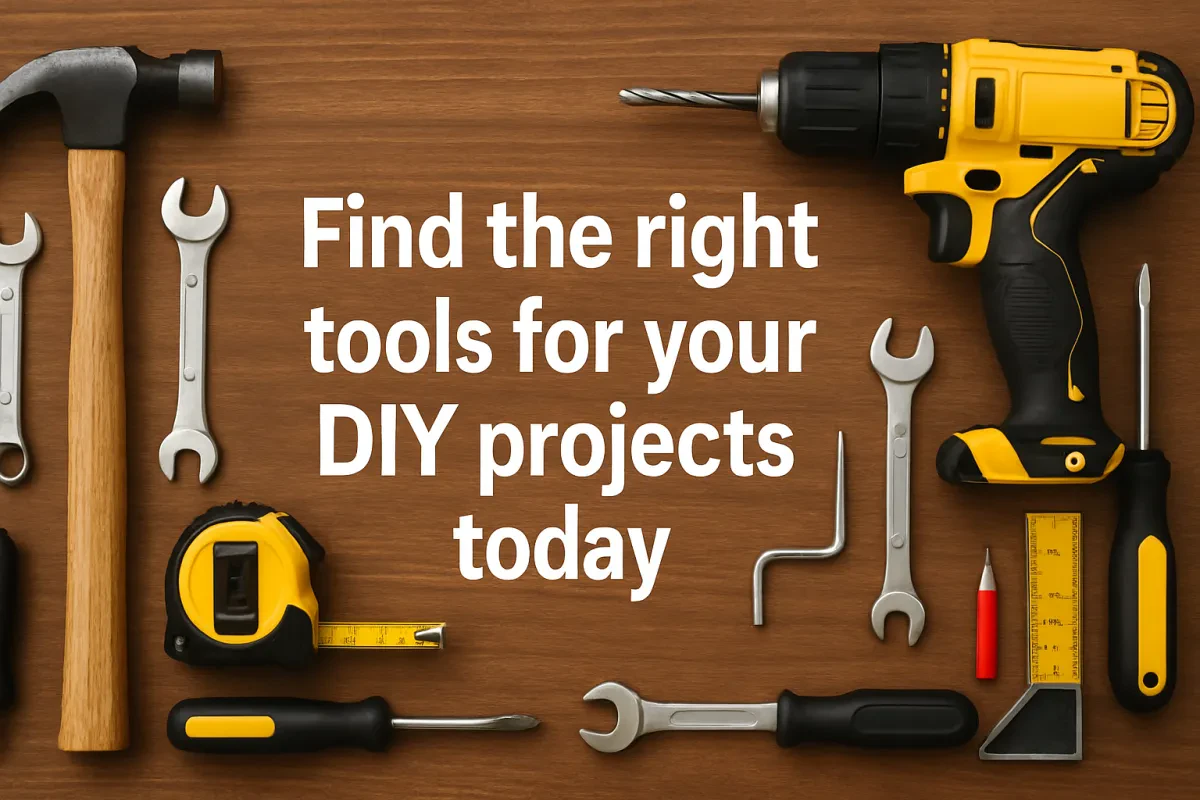
Choosing the right tools can make or break your DIY projects. It’s not about the biggest brands or the latest gadgets; it’s about what gets the job done for you. When considering your DIY tools selection, think about the projects you want to tackle. Are you working on small repairs, or are you planning a major renovation? Your toolset should match your needs.
Start with the basics. Every DIY enthusiast should have a solid toolbox filled with essential tools like a hammer, screwdrivers, pliers, and a good tape measure. These are your go-tos for simple tasks around the house. If you plan on going beyond repairs, consider adding power tools like a drill. A dependable cordless drill makes assembly and installation a breeze. Just make sure it feels comfortable in your hand; you’ll be using it a lot!
Don’t overlook specialty tools that can elevate your projects. For example, a level, a miter saw, or even a sander can help achieve professional-looking results. These might seem like luxuries at first, but they save you time and hassle down the line. As you explore your DIY tools selection, think about what tools will make your life easier based on the kinds of projects you enjoy.
Lastly, keep safety in mind. Protective gear is just as important as the tools themselves. Invest in a good pair of safety glasses, a dust mask, and sturdy gloves. When you feel safe, you're more likely to tackle ambitious projects and enjoy the process!
Essential Tools Every DIYer Should Have
First up, a trusty cordless drill is a must. Whether you’re putting up shelves or building furniture, a drill helps you get the job done quickly. Look for one that’s lightweight and has adjustable speed settings. Pair it with a good set of drill bits, and you’ll tackle all sorts of projects with ease.
Next, you can’t go wrong with a solid tape measure. Accurate measurements are key in any DIY tools selection. Choose one that’s at least 25 feet long; this gives you the flexibility to measure larger spaces without any fuss. Bonus points if it has a lock feature to keep your measurements steady while you work.
Don’t forget about a reliable level. Hanging pictures or shelves won’t work out if they aren’t straight! A good level ensures that everything looks perfect. There are even digital levels out there, which are super easy to read and help you avoid any guesswork.
Last but not least, a versatile utility knife should be in your kit. From opening boxes to trimming materials, a sharp utility knife is one of those tools you’ll find yourself reaching for time and again. Make sure to have extra blades on hand, too, because they get dull pretty quickly.
Budget Friendly Options for Every Skill Level
When it comes to your DIY tools selection, you don't have to break the bank. There are plenty of budget-friendly options that fit every skill level. Whether you're just starting out or you've been tackling projects for years, there’s something for everyone. You want tools that won’t let you down without emptying your wallet.
For beginners, multitools are a great way to dip your toes in without spending too much. Look for a quality multi-tool that combines pliers, knives, and screwdrivers. They’re compact, versatile, and perfect for quick fixes around the house. Simple hand tools like hammers and wrenches are also must-haves and can be found at local hardware stores for low prices.
If you're a bit more experienced, consider investing in a basic power drill. Brands often have budget models that still offer great performance. A cordless drill makes it easy to move around and tackle all sorts of projects, from assembling furniture to hanging shelves. Pair that with a set of drill bits, and you’re ready to go.
For seasoned DIYers, think about expanding your toolkit with a reliable saw, like a circular or jigsaw. These tools can handle more complex projects, like building furniture or making custom cuts. Again, there are affordable options that deliver solid performance without costing a fortune. Remember, finding the right DIY tools selection is about balancing quality with your budget.
Know When to Upgrade Your Equipment
Upgrading your tools can feel like a big deal, but knowing when to make that leap is key. If your DIY tools are struggling to get the job done, it might be time for a change. Have you noticed your drill slowing down or making strange noises? That’s a sign to upgrade. Better tools can make your projects smoother and more enjoyable.
Another indicator to keep an eye on is if you’re constantly borrowing tools. If you find yourself looking to friends or family for a tool that fits your needs, it’s time to reassess your DIY tools selection. Owning the right equipment not only boosts confidence but also saves time on the job. You can tackle projects with ease when you have the right tools in your arsenal.
Think about the frequency of your DIY projects, too. If you’ve recently discovered a passion for home improvement and find yourself diving into new projects regularly, investing in quality tools is worth it. Durable, reliable tools can handle anything you throw at them, allowing you to experiment and try new things without worrying about wear and tear.
Lastly, if you notice that your projects are taking longer than they should, check your tools. Sometimes, older equipment can hold you back. Upgrading to newer, efficient tools can save you time and make your DIY efforts way more enjoyable. Trust me, having the right tools makes all the difference!